Commercial Waste in Croydon for everyday business clearance and recycling

Commercial waste in Croydon needs a practical service that can deal with routine business rubbish, bulk clearances and mixed materials in a way that is straightforward to arrange. We handle commercial waste removal for organisations that need space kept clear, stock and packaging taken away, and unwanted items removed without disrupting day-to-day operations. The service is designed around the type of waste your premises produce, with a focus on responsible loading, sorting and disposal rather than a one-size-fits-all approach.
Typical collections can include office contents, retail packaging, warehouse debris, general rubbish from refurbishments, and other non-domestic waste that builds up over time. Where useful, we can also support related clearances such as business waste removal and office clearance, both of which are often part of a broader disposal plan for commercial premises. The aim is to keep the process clear and commercially sensible, with the right service matched to the volume and type of waste involved.
If you need a quotation, start with the basic details of the waste, the property type and the access involved. A clear description helps keep the arrangement efficient. You can also ask about the service options that fit your premises best, then request a quotation when you are ready.
How our commercial waste collections work
Commercial waste work usually starts with identifying what has to go, how much there is, and whether anything needs separating before loading. That might mean grouping bulky items, bagged waste, cardboard, mixed office rubbish or leftover fit-out materials so collection can be planned properly. We keep the process focused on removing the right material for the job, so the service stays useful for regular maintenance as well as one-off clearances.
Different businesses create different waste streams, and the service should reflect that. A shop may need stock-room clutter removed, while an office may need desks, filing and packaging cleared. In some cases, a site needs a wider clearance that combines several services, such as waste removal for general refuse and builders waste clearance where decorating or refurbishment has left rubble, timber or mixed construction debris.
The most efficient jobs are usually those where the waste is described clearly from the outset. If you are arranging collection for a workplace, it helps to note whether access is through a loading bay, internal corridor, yard or shared entrance. If waste is mixed, damaged or awkwardly stacked, say so. A concise description is often enough to shape the right quotation and avoid unnecessary delays.
Business premises, offices and stockroom clearances
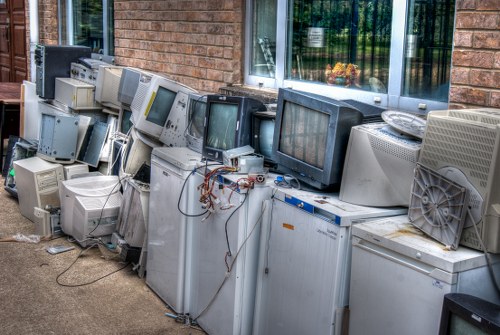
Many commercial waste jobs in Croydon involve premises that have changed use, reduced storage needs or simply accumulated too much material. We can help with clear-outs from offices, back rooms, storerooms and commercial units where the priority is to restore usable floor space. In these settings, the work may include dismantled furniture, shelving, paperwork containers, packaging, obsolete equipment and general refuse gathered over time.
For some businesses, the best fit is a combined clearance that includes furniture and internal waste together. Where that applies, pages such as furniture clearance and furniture disposal are relevant to the type of item being dealt with, especially when desks, chairs, tables or storage units need removing alongside mixed rubbish. If the property is a workplace rather than a home, the collection can be shaped around business use rather than domestic household assumptions.
When arranging this sort of work, the main decisions usually involve whether anything should be separated for reuse, what has to be taken from each room or zone, and whether the clearance needs to be staged. Clear boundaries between items to keep and items to remove are useful. So is a quick note on whether any equipment or stored files need special handling because of their contents or location.
Waste from refurbishments, fit-outs and property changes
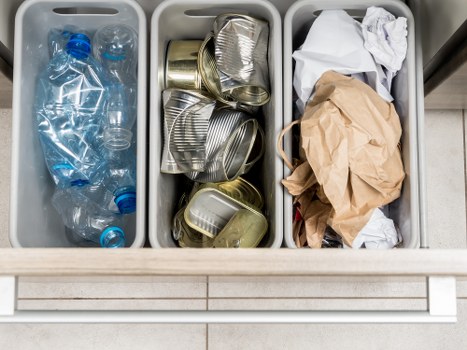
Business waste is not always limited to everyday rubbish. When a shop, office or commercial unit is refurbished, the waste profile changes and may include broken fixtures, packaging, offcuts, fittings and mixed debris. We can support that kind of clearance as part of a broader commercial waste service, so the site can move from one phase to the next without waste becoming a bottleneck. The emphasis stays on practical removal and suitable disposal routes.
Where the waste comes from decorating or structural work, a dedicated collection can sit alongside a more specific service such as builders waste clearance. For some customers, a related option like office clearance is also useful if the property is being emptied or reconfigured at the same time. Using the right service type matters because mixed commercial waste can contain a wider range of materials than ordinary office rubbish.
Planning the sequence helps where multiple areas are involved. For example, waste from one floor, room or unit may need to be removed before the next stage can begin. If you are seeking a quotation, it is sensible to say whether the waste is ready for immediate collection or still being gathered. That small detail helps shape an accurate estimate and avoids promising more than the site conditions allow.
Specialist items and mixed waste streams
Some commercial clearances include items that do not sit neatly within a standard refuse bag or general rubbish category. Fridges, appliances, mattresses, sofas and certain bulky objects may need a different collection approach from loose waste, particularly where the item must be carried from an upper floor or removed from a confined commercial space. For those situations, more specific pages such as fridge and appliance removal and mattress and sofa disposal provide a better match for the material involved.
Where waste contains a wider mix of materials, the collection needs to stay orderly. That means separating anything that should not be mixed with ordinary refuse, and identifying items that need a particular disposal route. In some cases, a workplace may also need confidential shredding for paperwork or archived documents before the rest of the clearance proceeds. This is especially relevant where the premises handle records or customer information that should not be left unsecured.
Useful preparation for this kind of job is simple: note the item types, the approximate amount, and any access restrictions. If there are loading limits, narrow doorways or stair-only access, mention them early. That gives you a better basis for a quotation and helps keep the collection realistic. Specificity is helpful because specialist items often affect labour, loading and disposal planning more than general waste does.
About Croydon
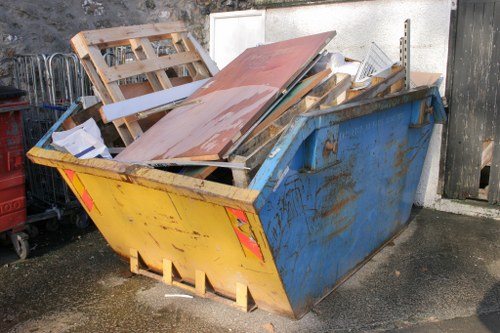
Croydon is a large district in South London with a long commercial and civic history, shaped by its position on routes linking the capital with the south of England. It developed as a market town and later expanded rapidly with rail travel and suburban growth, becoming one of the principal urban centres in outer London. The area includes the town centre as well as neighbourhoods such as South Croydon, West Croydon and East Croydon, each with its own streetscape and character. That mix of central activity and residential density gives Croydon a varied urban form, with office blocks, shopping streets, transport corridors and older buildings existing side by side.
The town centre is known for major retail and office development, while the wider borough contains parks, schools, churches and local high streets that reflect different periods of growth. Croydon has prominent transport links, especially its railway connections, and the urban landscape has been influenced by station-led development and post-war rebuilding. Historic buildings still sit alongside modern architecture, giving the area a layered appearance rather than a single architectural style. Among the well-known green spaces are parks such as Lloyd Park and Wandle Park, which provide open ground within a busy suburban setting.
Culture also plays an important part in the place’s identity. Croydon has a lively music and arts reputation, supported by venues, public events and a strong local retail and leisure offer. The combination of civic history, transport accessibility and large-scale redevelopment means the district continues to evolve while retaining recognisable older parts of its built environment. In everyday terms, it is a substantial London centre with a blend of business activity, housing and public space that makes it distinct within the wider city.
Commercial rubbish, recycling and responsible sorting
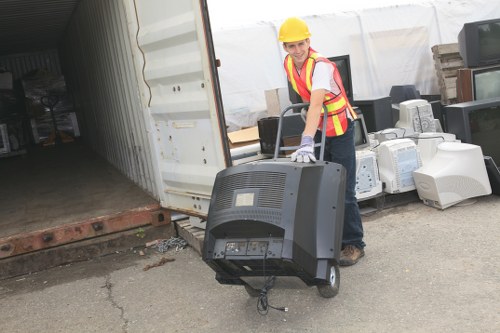
Commercial waste collection is not only about taking items away. A sensible service should also consider what can be separated for recycling and what has to be processed as residual waste. Cardboard, metal, timber, plastics and mixed office materials may not all follow the same route, so sorting matters. We handle this as part of the clearance process, keeping the emphasis on workable disposal rather than leaving the business to manage a complicated load afterwards.
Where a company wants to keep better control of ongoing waste, the broader information on recycling and sustainability can be useful alongside the collection itself. It helps to understand how mixed commercial rubbish is handled and why certain waste streams need to be kept separate. For some premises, a regular arrangement is more suitable than a single one-off clearance, while others only need help when stock, equipment or packaging has built up beyond normal levels.
If you are comparing options, think first about the volume of waste, then about the type of material and the access to the premises. That order usually makes it easier to decide whether a straightforward collection is enough or whether a more specific clearance service is a better fit. You can ask for a quotation once those details are clear, and keep the next step focused on the waste itself rather than on guesswork.
Pricing factors and the information that shapes a quotation
Quotation requests for commercial waste usually depend on a small set of practical details. The main factors are the type of waste, the amount to be removed, the access to the site and whether any items need special handling. A compact office clearance will not be assessed in the same way as a mixed unit containing bulky furniture, archived paperwork and refurbishment debris. Clear information about the waste makes pricing more consistent and easier to understand.
For that reason, it helps to describe the material in plain terms. Note whether it is bagged, loose, stacked, broken down or still in place. If there are stairs, lifts, restricted parking areas or controlled building access, those points can affect the work involved. You do not need to create a long inventory, but you do need enough detail for the quotation to reflect the real job rather than a rough assumption. Pricing and quotes gives a useful route for understanding how a request can be framed.
The same approach applies whether the work is a single collection or part of a larger disposal plan. Accurate descriptions help avoid awkward surprises on the day and make it easier to compare services on a like-for-like basis. If the waste is still being gathered, say so; if it is ready for removal, say that too. Those simple facts are often enough to shape a sensible estimate.
Other commercial and clearance services that may help
Some customers need one service, while others need several linked clearances over time. A business that is closing a site may need a mix of office items, general rubbish, and leftover stock removed in stages. In those cases, related services such as house clearance and home clearance are not commercial equivalents, but the principle is the same: remove the unwanted material methodically and make the space usable again. For business premises, it is usually better to keep the focus on the commercial pages that match the job.
Where storage areas, garages or lofts are used for overflow stock or old equipment, more specific clearance pages can sometimes be relevant to the item type even when the premises are commercial. Garage clearance and loft clearance can be useful references where the material is stored in an awkward or underused part of a property rather than in a standard working area. The main point is to match the service to the actual waste rather than to the label on the building.
Use the service that best reflects the material, then keep the enquiry simple. A short description of what needs removing, where it is located and when you want it gone is usually enough to begin. If you are ready to move forward, contact us for a quotation and a clear next step.