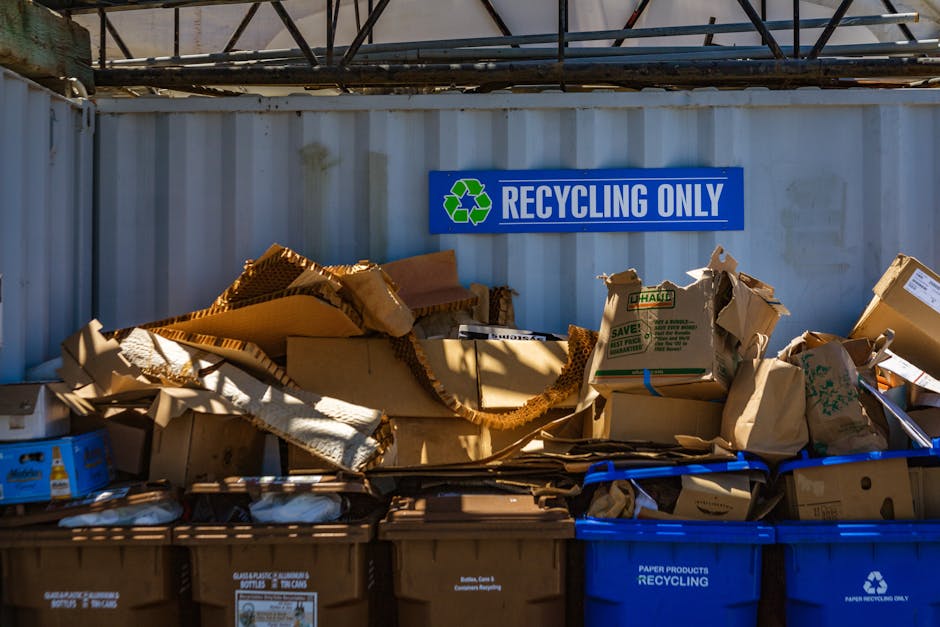
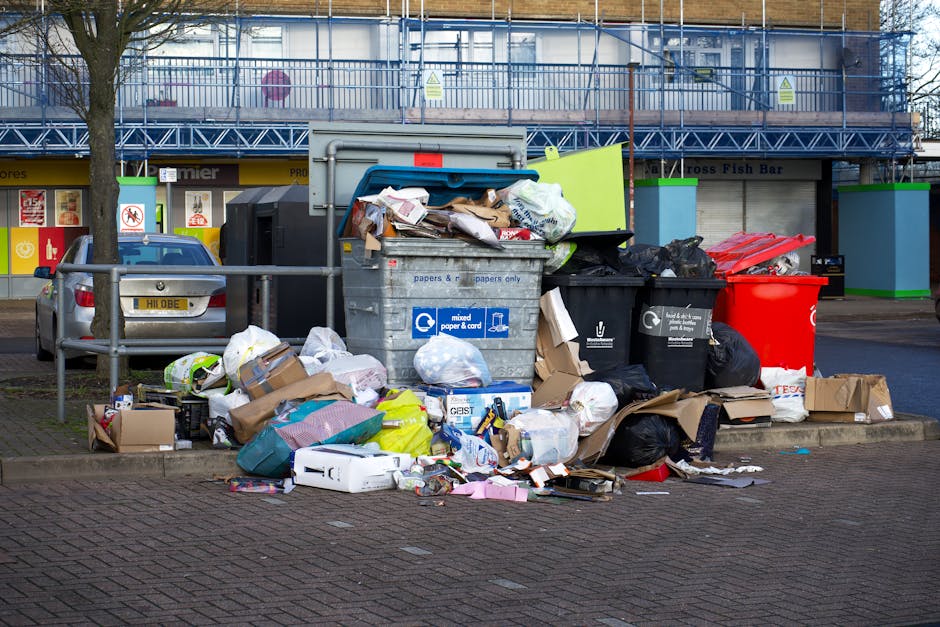
Where to Take Rubbish for Recycling Near East Croydon Station
If you are trying to work out where to take rubbish for recycling near East Croydon Station, you are probably dealing with the usual awkward mix of bags, boxes, broken bits, and things you meant to sort out last month. Been there. The good news is that you do not need to guess your way through it. With a bit of planning, you can separate recyclable items properly, avoid unnecessary trips, and choose the most practical route for whatever you are clearing.
This guide breaks down the real options, how to decide what should be recycled, what to do with bulky items, and when a professional clearance service may save you time. It is written for everyday use, not theory, so you can make a sensible call without overthinking it.
Table of Contents
- Why this matters
- How the recycling process works near East Croydon
- Key benefits and practical advantages
- Who this is for and when it makes sense
- Step-by-step guidance
- Expert tips for better results
- Common mistakes to avoid
- Tools, resources and recommendations
- Law, compliance, standards and best practice
- Options, methods, and comparison
- Case study or real-world example
- Practical checklist
- Conclusion
- Frequently asked questions
Why Where to Take Rubbish for Recycling Near East Croydon Station Matters
East Croydon is a busy part of town. Trains, buses, flats, shops, offices, short-term lets, student moves, and everyday life all produce waste in a fairly compressed space. That means rubbish can pile up quickly, and the wrong disposal choice can create avoidable hassle. You will notice it most when you have a few different waste streams at once: cardboard from deliveries, old furniture, WEEE items, food packaging, and the odd broken appliance that has been sitting in the hallway looking sorry for itself.
Recycling matters here because it helps keep usable materials out of general waste, but it also matters for convenience. If you know what can be recycled, where it should go, and how to organise it, you save time and reduce the risk of turning a simple job into a messy one. To be fair, most people do not mind recycling. They just mind doing it badly, or twice.
There is also the practical side. In a station-area location, parking can be awkward, loading can be tight, and time is usually limited. A good plan helps you avoid circling around with a boot full of mixed waste and wondering why a bag of old packaging suddenly became a whole afternoon.
How Where to Take Rubbish for Recycling Near East Croydon Station Works
The basic process is simple: sort the waste, identify what is recyclable, decide whether you can drop it off yourself, and then choose the most efficient method for transport and disposal. The details matter, though.
1. Separate the waste first
Do not start with the journey. Start with the items. Cardboard, mixed paper, rigid plastics, metals, small electrical items, textiles, green waste, and certain household materials are usually handled differently. If everything goes into one bag, recycling gets harder and the chances of contamination go up.
2. Check the type of recycling route needed
Some items are light and easy to carry. Others are awkward, dirty, heavy, or potentially hazardous. A few examples:
- Cardboard and paper: easy to flatten and bundle.
- Furniture: often recyclable in parts, but usually better handled through a clearance route.
- Appliances: may need specialist removal, especially if they contain coolant or electrical components.
- Garden waste: can be handled separately and kept free from contaminants.
- Hazardous items: should not be mixed with standard recycling at all.
3. Decide whether a self-drop-off is realistic
For small and manageable loads, a self-drop-off can make sense. But if you are carrying bulky items, have limited time, or are dealing with mixed materials, the friction rises quickly. If you are moving a couple of bags, fine. If you are trying to fit a dismantled wardrobe and some broken shelving into a taxi-sized gap of time, not so fine.
4. Use a route that matches the item type
A lot of disposal mistakes happen because people treat every item the same. They are not the same. A box of clean cardboard is not the same as a broken fridge. A bag of clothing is not the same as plasterboard. When in doubt, choose the route that keeps the item clean, separate, and easy to process. If something is too awkward for a normal trip, a professional waste removal service can be a better fit than trying to force it into your own schedule.
Key Benefits and Practical Advantages
The biggest benefit is obvious: recycling reduces the amount of waste sent to landfill or other non-recycling routes. But on a day-to-day level, there are several practical wins people often overlook.
- Less clutter at home or work: sorting waste early makes the space feel calmer straight away.
- Faster disposal decisions: once you know what goes where, there is less second-guessing.
- Better loading efficiency: flattened cardboard and separated materials take up far less room.
- Reduced contamination risk: clean recyclables are more likely to be accepted.
- Safer handling: separating sharp, heavy, or awkward items helps prevent injuries.
There is also a time-saving benefit that people often only appreciate after the event. If you have ever taken a car full of mixed rubbish somewhere, then realised half of it needed sorting first, you will know exactly how quickly a simple errand can become a nuisance. Recycling properly the first time avoids that.
For businesses around East Croydon, the advantages are even clearer. Offices, retailers, and landlords often need predictable collection routines, especially for cardboard, confidential paper, furniture, and appliance changes. In those cases, a dedicated route can support tidier operations and fewer interruptions. If that sounds familiar, have a look at business waste removal and office clearance for more structured handling options.
Who This Is For and When It Makes Sense
This kind of local recycling guidance helps a broad mix of people, but the needs are a bit different for each group.
Homeowners and tenants
If you are clearing out cupboards, replacing furniture, or dealing with a build-up of bags after a move, the main challenge is usually mixed household rubbish. You want the quickest route without creating a bigger mess. A lot of flat residents near the station are in this category, especially when storage is tight and stairwells are narrow.
Landlords and letting agents
End-of-tenancy clearances often leave behind a strange mix: old bedding, broken furniture, kitchenware, packaging, and the occasional mystery item nobody claims. The goal is not just disposal. It is getting the property reset quickly and properly.
Local businesses
Retail units, offices, cafes, and small commercial spaces often generate cardboard, packaging, and occasional bulky waste. They need a system that is reliable and not disruptive. If you are managing recurring collections, it may be worth looking at recycling and sustainability alongside practical collection options.
People dealing with one-off bulky items
Maybe you have a mattress, a sofa, an old fridge, or a garage full of leftovers from a renovation. In those situations, the question is less about where the nearest recycling point is and more about what is sensible. Sometimes the best answer is a specialist route rather than a DIY drop-off. For example, appliance and white goods disposal can be much easier through fridge and appliance removal.
When does it make sense? Usually when the item is manageable, the load is sorted, and you can transport it safely. If any one of those three is missing, it may be time to choose another method.
Step-by-Step Guidance
If you want a clean, practical process, use this sequence. It keeps things simple and stops small jobs turning into faff.
- Make a quick inventory. Walk through the room, shed, or office and list what you want to get rid of.
- Group items by material. Keep cardboard, metals, textiles, electricals, garden waste, furniture, and general rubbish separate.
- Check for contamination. Food residue, paint, oil, sharp fragments, and mixed materials can change where something belongs.
- Remove reusable items first. If something is still usable, consider donating or rehoming it before recycling or disposal.
- Flatten and bundle what you can. Cardboard and packaging are much easier to move once compacted.
- Assess transport realistically. Measure bulky items, consider stairs and access, and think about whether loading is safe on your own.
- Choose the right route. Small clean loads may suit self-drop-off, while mixed or bulky waste may suit a collection service.
- Keep proof and notes where needed. For business or landlord waste, keep records of what was removed and when.
A quick example: if you are clearing a one-bedroom flat near the station, you might end up with cardboard, a broken chair, a small appliance, and several bags of mixed waste. That is not one job. It is four different disposal decisions. Breaking it down like that keeps the whole thing under control.
Expert Tips for Better Results
Small improvements make a big difference with recycling. The trick is not heroic effort. It is decent preparation.
- Keep recyclables dry. Wet cardboard gets heavy fast and can be rejected.
- Remove loose food waste. One greasy container can spoil a whole batch of otherwise clean packaging.
- Disassemble where sensible. A flat-pack frame is easier to manage than a full-sized awkward shape.
- Use separate sacks or boxes. Clear labelling saves time later, especially if someone else is helping.
- Think about access first. In busy areas near East Croydon Station, moving items during quieter times can make loading much easier.
- Check whether the item has mixed materials. Some products look recyclable but are actually a blend of parts that need different handling.
Another good habit: make a "maybe" pile. Not everything has to be decided instantly. If you are unsure whether something is recyclable, put it aside, check it later, and avoid contaminating the clean pile. That little pause saves a surprising amount of grief.
And yes, if the loft is full and the hallway is narrowing by the minute, the sensible thing is sometimes to stop being a hero.
Common Mistakes to Avoid
Most recycling problems are predictable. That is the annoying part. The good news is they are easy to avoid once you know what to look for.
- Mixing everything together: this is the big one. One contaminated bag can undo good sorting.
- Assuming all plastics are the same: some packaging is accepted, but not every plastic item belongs in the same stream.
- Forgetting about hidden hazards: batteries, chemicals, sharp metal, and pressurised containers need extra care.
- Leaving items full of liquid or residue: dirty containers are a common rejection point.
- Underestimating bulky waste: what looks manageable in the room can become difficult at the kerbside.
- Using the wrong route for appliances: fridges, freezers, and similar items usually need special attention because of component handling.
One more: do not wait until collection day to sort a pile. It always takes longer than you think. Always. What seems like ten minutes can easily turn into half an hour of standing around with a roll of tape and a slightly defeated expression.
Tools, Resources and Recommendations
You do not need a van-load of gear to recycle responsibly. A few simple tools are usually enough.
- Marker pens and labels: useful for identifying material groups quickly.
- Strong bags and boxes: especially for paper, textiles, and mixed household items.
- Gloves: practical for sharp edges, old shelving, and general clearance work.
- Basic screwdriver or hex key set: handy for dismantling flat-pack furniture.
- Tape and scissors: good for bundling cardboard and securing loose parts.
- Measuring tape: helpful when you need to check whether something will actually fit through a doorway or into a vehicle.
On the service side, the most useful recommendations are usually the simplest. If you are clearing furniture, it is worth looking at furniture disposal or furniture clearance rather than trying to improvise a solution. If your job is broader, home clearance, house clearance, or flat clearance may fit better.
For larger mixed jobs, especially if you are comparing disposal choices, pricing and quotes can help you weigh up whether a one-off collection is better value than making several individual trips. And if you want to understand what can be loaded together, what can go in a skip is a helpful reference point, even if you do not end up using a skip.
Law, Compliance, Standards and Best Practice
For everyday household recycling, the main point is straightforward: keep waste properly separated, use lawful disposal routes, and avoid putting restricted items into general recycling. In the UK, businesses and landlords should be especially careful to make sure waste is handled by appropriate, traceable routes. That is normal good practice, and it protects you from avoidable headaches later.
Best practice usually means:
- keeping waste streams separated where practical;
- not mixing hazardous items with household recycling;
- using reputable carriers for collected waste;
- checking that appliances and specialist items are handled correctly;
- keeping records where business waste is involved.
If you are dealing with potentially risky materials, the safer route is to keep them out of general recycling entirely and use a dedicated service. The same goes for items with confidential information or sensitive components. In those situations, a service like confidential shredding may be more appropriate than a standard recycling approach.
For health, safety, and handling standards, it is sensible to work with providers who treat access, lifting, and disposal carefully. The details matter, especially in tight stairwells or busy shared buildings. You can also review insurance and safety and health and safety policy information if you are comparing disposal providers and want reassurance about process and responsibility.
Options, Methods, and Comparison Table
There is no single right answer for everyone near East Croydon Station. The best option depends on how much waste you have, what it is made of, and how quickly you need it gone.
| Method | Best for | Pros | Trade-offs |
|---|---|---|---|
| Self-sorting and personal drop-off | Small, clean, manageable loads | Simple, flexible, low cost if you already have transport | Time-consuming, limited by vehicle size and access |
| Local recycling through separate material streams | Cardboard, paper, light recyclables, small quantities | Efficient and tidy when done properly | Requires careful sorting and contamination control |
| Specialist item removal | Appliances, furniture, bulky or awkward pieces | Safer, quicker, less lifting | May cost more than DIY disposal |
| Full waste clearance | Mixed household, office, or renovation waste | Best for larger jobs and tight deadlines | Less granular than self-sorting, though still recyclable where appropriate |
For many people, the decision is actually quite simple once the table is in front of them. Clean and small? Handle it yourself. Bulky, mixed, or urgent? Get help. That is the balance.
Case Study or Real-World Example
A typical example near East Croydon Station might be a landlord preparing a flat for a new tenant after a short-notice move-out. The property has old cardboard from deliveries, a broken bookshelf, a mattress, some kitchen waste, and a couple of electrical items left behind. Nothing dramatic, but enough to be awkward.
At first glance, it looks like "just rubbish." In practice, it is a mixed load with different handling needs. The cardboard can be flattened and recycled. The bookshelf may be suitable for furniture disposal if it is not worth reusing. The mattress needs a specific route. The electrical items should not be bundled into general waste. If the landlord tries to do everything in one car journey, the job becomes messy fast.
What worked best in that kind of situation was simple: sort the waste into separate groups, decide which items could be recycled, and use a clearance service for the bulky pieces. The result was less time spent moving things around, fewer return trips, and a property that was ready more quickly. Not glamorous, but effective. And honestly, that is usually what people want.
Practical Checklist
Use this before you head out or book a collection.
- Have I separated recyclables from general rubbish?
- Are any items dirty, wet, or contaminated?
- Have I checked for batteries, chemicals, or sharp parts?
- Can I carry the load safely on my own?
- Do I need a vehicle, trolley, or extra help?
- Would specialist removal be easier for bulky items?
- Have I flattened cardboard and compacted loose packaging?
- Do I know which items need special handling?
- Have I kept anything reusable aside first?
- Is there a quicker professional option if time is tight?
If you can tick most of those off, you are in good shape. If not, pause and reassess. A five-minute rethink is usually better than a botched disposal run.
Conclusion
Finding where to take rubbish for recycling near East Croydon Station becomes much easier once you stop treating all waste as one job. Sort it properly, match the route to the material, and be honest about what you can safely move yourself. That alone solves most of the stress.
For small clean loads, a simple recycling plan may be all you need. For bulky, mixed, or time-sensitive waste, a professional clearance option can be the more sensible choice. Either way, the goal is the same: clear the space, recycle what should be recycled, and do it without wasting your whole day.
If you are comparing disposal options, need help with mixed waste, or want a cleaner way to manage a larger job, explore the service pages and choose the route that fits your situation best. A little planning goes a long way, and it is usually the difference between chaos and calm.
Get a free quote today and see how much you can save.
Frequently Asked Questions
Where can I take mixed rubbish for recycling near East Croydon Station?
Mixed rubbish should be separated before you leave if possible. Clean recyclables can often be handled through the appropriate recycling stream, while general rubbish, bulky items, and specialist waste may need a different route. If the load is too mixed to sort easily, a collection service is often the calmer option.
Can I recycle cardboard and paper together?
Yes, in many situations cardboard and paper can be grouped together if they are clean and dry. Flatten the cardboard first. If it is greasy, wet, or contaminated with food residue, it may no longer be suitable for standard recycling.
What should I do with old furniture near East Croydon Station?
Furniture is usually best handled separately from everyday recycling. If it is still usable, consider reuse first. If not, furniture clearance or furniture disposal is often the more practical approach, especially for bulky items that are hard to move.
Are electrical items recycled differently?
Yes. Small electricals and appliances should not go into general waste. Some require specialist treatment because of wires, components, or cooling systems. A fridge, for example, is very different from a broken lamp or toaster.
What happens if my recycling is contaminated?
Contamination can mean recyclable material is rejected or becomes harder to process. Food waste, liquids, sharp waste, and mixed materials are common issues. Sorting properly before disposal reduces that risk significantly.
Is it better to take rubbish myself or book a collection?
It depends on the load. Small, clean, manageable waste may suit self-drop-off. Bulky, heavy, awkward, or time-sensitive waste is often easier with a collection. If you value convenience or have limited access, booking a collection can be the better choice.
How do I know if something counts as hazardous waste?
If it contains chemicals, solvents, oils, paint, batteries, or other risky materials, treat it cautiously. Hazardous waste should not be mixed with normal recycling. When in doubt, keep it separate and use a proper disposal route.
Can I recycle a mattress near East Croydon Station?
Mattresses usually need a dedicated disposal route. They are bulky and not treated like standard household recycling. If you are clearing a flat or house, mattress disposal is often best arranged alongside the rest of the clearance so the job is handled in one go.
What is the easiest way to deal with a garage or loft full of waste?
Do not try to sort it all in one pass. Break it into categories: recyclables, reusable items, bulky waste, and general rubbish. For larger clear-outs, garage clearance and loft clearance can save a lot of lifting and back-and-forth.
Do I need to keep records for business waste?
Yes, it is wise to keep records for business waste handling. That includes what was removed, when it was removed, and how it was dealt with. Good record-keeping helps show that waste was managed properly and makes future audits or checks much easier.
What if I am not sure what can go in a skip?
If you are unsure, check the permitted material list before loading anything. Some items are fine, while others need a different disposal route. The page on what can go in a skip is a useful reference for that kind of decision.
Can recycling and clearance be combined for one job?
Yes, and that is often the smartest way to do it. Recyclables can be separated from general waste while bulky or specialist items are removed through the right service. For mixed household jobs, that combination is often the simplest path with the least stress.
What should I do first if I have a pile of rubbish and no time?
Start by separating anything dangerous, anything recyclable, and anything obviously reusable. Then decide whether the remaining load is manageable or whether it needs a clearance service. A quick triage like that saves time and stops you making rushed mistakes.
If you want to learn more about responsible handling and disposal, you can also review about us and recycling and sustainability for a broader look at how waste is managed with care.