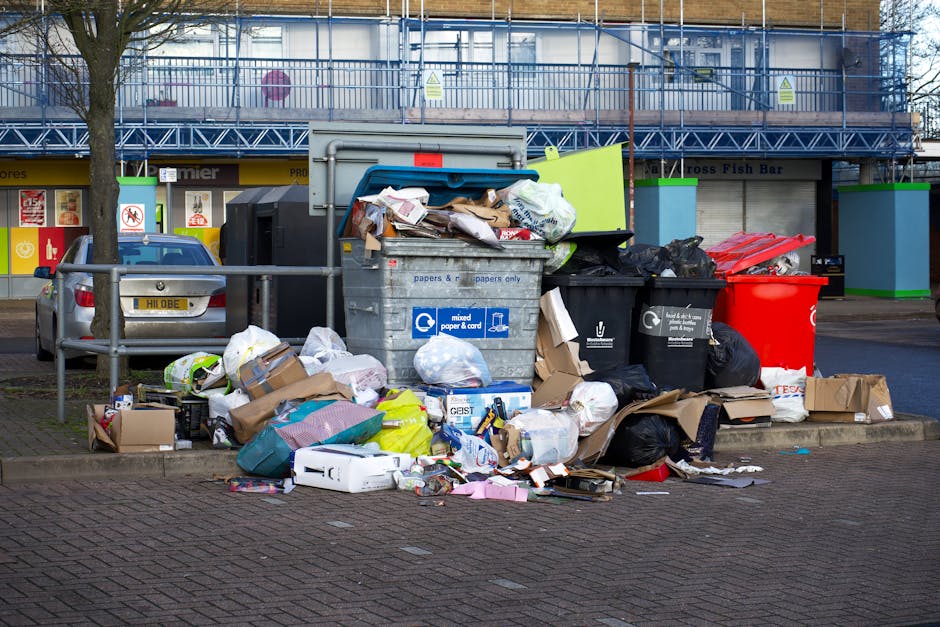
Local Rubbish Clearing Guide for Waddon Estate Croydon Residents
If you live on Waddon Estate, you already know rubbish has a way of piling up at the worst possible time. One box becomes three. A broken chair sits in the hallway. The shed fills up. And suddenly the place feels cramped, messy, and harder to live in than it should. This Local Rubbish Clearing Guide for Waddon Estate Croydon Residents is here to make that problem feel manageable again.
Whether you are clearing a flat, tidying a garden, dealing with old furniture, or trying to get a property ready for visitors or tenants, the right approach saves time, hassle, and a fair bit of stress. Below, you will find a practical walkthrough of how local rubbish clearing works, what to watch out for, and how to choose the most sensible route for your situation.
Key takeaway: the best rubbish clearance plan is usually the one that matches the size of the job, the type of waste, and how quickly you need the space back. Not everything needs the same solution, and that is where many people go wrong.
Contents
- Why this matters locally
- How local rubbish clearing works
- Key benefits and practical advantages
- Who this is for and when it makes sense
- Step-by-step guidance
- Expert tips for better results
- Common mistakes to avoid
- Tools, resources and recommendations
- Law, compliance and best practice
- Options and comparison table
- Real-world example
- Practical checklist
- Conclusion
- Frequently asked questions
Why Local Rubbish Clearing Guide for Waddon Estate Croydon Residents Matters
For Waddon Estate residents, rubbish clearance is not just about appearances. It affects how easily you can use your home, how safely you can move around it, and how quickly you can deal with everyday jobs. In flats and shared buildings especially, clutter can creep up fast. A bulky item left in a tight hallway can become a nuisance for everyone, not just the person who owns it.
Local rubbish clearing matters because the wrong approach can lead to avoidable delays, extra lifting, missed collections, or waste sitting around longer than planned. And let's face it, nobody wants to spend their Saturday wrestling with a wardrobe down two flights of stairs.
There is also the local context. Estate living often means limited parking, shared access, stairwells, and neighbours who may be affected by noise or blocked walkways. A good clearance plan takes those realities into account instead of assuming a big driveway and a perfect loading space.
Another reason this guide matters is confidence. Many people are unsure what can go where, what must be separated, and when a simple tidy-up becomes a more involved clearance job. Once you understand the basics, decisions get easier. The whole job feels less like a mountain and more like a Tuesday morning task you can actually finish.
How Local Rubbish Clearing Guide for Waddon Estate Croydon Residents Works
At its simplest, rubbish clearing means identifying unwanted items, sorting them properly, and arranging for them to be removed responsibly. In practice, there are a few common routes. Some people use local collections, some hire a skip, and others book a direct removal service that loads everything for them. The right method depends on access, volume, item type, and how much effort you want to spend.
For example, a small amount of mixed household waste from a cupboard clear-out may only need a straightforward collection. But if you are dealing with old sofas, broken appliances, or a garage packed with odd bits from the last decade, a fuller clearance approach usually makes more sense. A mixed job is rarely a simple job. That's normal.
The process usually starts with a review of the waste itself. Is it general household rubbish, bulky furniture, garden material, building debris, electrical waste, or something potentially hazardous? That question matters because different waste types need different handling. From there, you can decide whether to separate items first, request a quote, or arrange a service that handles the loading on your behalf.
If your clear-out includes items such as worn furniture or appliances, it can help to look at dedicated options like furniture clearance, fridge and appliance removal, or even a broader waste removal service, depending on what you are shifting.
Timing is another practical part of the process. Some clearances are best done in one go, especially if you have limited access. Others work better in stages, particularly when a home is being sorted room by room. It sounds obvious, but people often underestimate the time needed to gather things from lofts, cupboards, under-bed storage, or communal storage areas. Then the job gets bigger than expected. Happens all the time.
Key Benefits and Practical Advantages
Good rubbish clearing does more than remove unwanted stuff. It gives you breathing room. You notice it the moment the clutter is gone: the hall feels wider, the floor is easier to clean, and rooms stop feeling like storage spaces pretending to be living spaces.
- More usable space: you can actually walk, work, and relax without dodging piles of items.
- Less stress: a tidy environment removes that constant background feeling of "I really should sort that."
- Better safety: fewer trip hazards, fewer unstable stacks, fewer awkward routes through the property.
- Faster property turnaround: useful if you are preparing for sale, lettings, repairs, or a family visit.
- Cleaner recycling decisions: separating useful materials from general waste can reduce avoidable disposal.
There are also smaller advantages that matter in day-to-day life. A clear kitchen makes cooking easier. A clear spare room becomes a real room again. A decluttered garage stops being that place where things vanish forever. You know the type.
From a practical perspective, good rubbish clearing also helps you avoid repeat handling. If you sort things properly first, you are less likely to pick up the same item three times before it leaves the property. That is tiring, and to be fair, unnecessary.
For residents dealing with larger domestic jobs, services such as house clearance, home clearance, or flat clearance can be especially useful when the goal is a full reset rather than a one-off bin run.
Who This Is For and When It Makes Sense
This guide is for Waddon Estate residents who are dealing with one of those ordinary-but-annoying clean-up jobs that never quite fit into normal bins. It is for renters, homeowners, landlords, agents, family members helping with a relative's property, and anyone trying to restore order after a period of life getting in the way.
You may need rubbish clearing if you are:
- moving out or moving in
- emptying a garage, loft, shed, or storage cupboard
- replacing furniture or appliances
- sorting a property after a long period of accumulation
- clearing renovation or DIY waste
- preparing a home for sale, rent, or handover
- managing garden waste after trimming, cutting back, or seasonal tidy-ups
It also makes sense when your own time is limited. Some people can tackle a clear-out over a few evenings with bins and bags. Others simply cannot. If you work long shifts, have children, or are trying to sort a property under time pressure, a more direct clearance option saves a lot of energy.
For the tougher jobs, it can help to think in categories. Builders' rubble and renovation leftovers may point you towards builders waste clearance. Garden cuttings and soil are a different category again, so garden clearance is the more logical fit. And if the job is about a full room or property reset, loft clearance or garage clearance may be the nearer match.
Step-by-Step Guidance
If you want the job to go smoothly, break it into steps. This is where most people save time, even if they think they are being "more efficient" by just starting anywhere. Starting anywhere is how you end up with half a hallway full of bags and no idea which pile is which.
- Walk through the space first. Look at what is there without moving anything yet. This helps you spot bulky items, hazardous items, and anything that might need extra care.
- Separate waste by type. Put general rubbish, furniture, electrical items, garden waste, and building debris into rough groups.
- Identify anything restricted. Paints, chemicals, fridges, batteries, and similar items may need special handling.
- Decide what can be reused or donated. Not everything has to become waste. If an item is still usable, keep it out of the disposal pile.
- Measure access points. Check stairs, doorways, lift size, and parking space. In estate living, access is often the hidden challenge.
- Request a quote or arrange the right service. Be clear about volume, access, and item type so the collection can be planned properly.
- Prepare the load area. Move items to one accessible point if you can do so safely. Keep paths clear.
- Confirm what happens on the day. Know who is coming, what time they are likely to arrive, and whether you need to be present.
A simple one-room clear-out can often be handled quickly, but a multi-room or mixed-waste job benefits from this kind of planning. Small preparation upfront usually means less disruption later on. That is especially true if you live in a building where every trip to the van involves stairs, doors, and maybe a bit of neighbourly patience.
If you want to book a collection directly, the site's book online option is a practical place to start, while the pricing and quotes page is helpful when you want to understand what affects cost before you commit.
Expert Tips for Better Results
Here are the little things that make a big difference. In our experience, most smooth clearances are not about fancy equipment. They are about preparation, access, and not letting the job drift.
- Keep a "do not remove" pile. It sounds basic, but it stops valuable paperwork, tools, or sentimental items from disappearing into the wrong stack.
- Take photos of bulky items. Useful if you are getting a quote remotely or checking what needs to go.
- Separate sharp or awkward items early. Broken wood, glass, and exposed metal can create avoidable injuries.
- Use sturdy bags and boxes. Thin bags split at exactly the wrong moment. Usually on the stairs. Of course.
- Think about noise and timing. Early mornings, school runs, and quiet hours all matter in shared buildings.
- Ask about recycling before loading everything together. Mixed loads can still be sorted, but some separation upfront often improves recovery.
One useful habit is to clear the easiest items first. That gives you momentum and creates visible progress. A room that looks 20% clearer feels much more manageable than one where everything is still spread around. Small win, but it counts.
If furniture is a big part of the job, the dedicated pages for mattress and sofa disposal or furniture disposal can help you match the service to the items, rather than forcing the wrong solution.
Common Mistakes to Avoid
Most clearance problems come from rushing. That first burst of enthusiasm can be helpful, but if you do not plan the removal side, the pile just relocates and grows a little more organised. Not ideal.
Common mistakes include:
- mixing hazardous waste with general rubbish
- underestimating how much volume bulky items take up
- forgetting about access, parking, or stair restrictions
- leaving the sort-out until the collection day
- assuming everything can go in one standard load
- keeping unwanted items "just in case" and delaying the decision
Another very common issue is hiding waste in different places around the home rather than dealing with it in one plan. A box in the bedroom, a bag in the kitchen, some bits in the shed, more in the loft. You end up carrying the same mess through the property two or three times. Better to create a central staging area and work from there.
Also, do not guess when it comes to restricted items. If you are not sure whether something counts as electrical, hazardous, or specialist waste, pause and check before loading it in with everything else. That one decision can save a lot of trouble later.
Tools, Resources and Recommendations
You do not need a van full of specialist gear to clear rubbish well, but a few simple tools make life much easier:
- heavy-duty bags or sacks
- strong gloves
- dust sheets or old blankets for protecting floors and door frames
- labels or marker pens for sorting
- basic tape measure for bulky items and access points
- torch or phone light for lofts, cupboards, and under-unit spaces
- cardboard boxes for smaller loose items
For residents looking at a more structured clear-out, a practical route is to start with the type of waste first, then choose the service. For example, a shed full of old lawn tools and clippings may point towards garden clearance, while post-renovation debris might sit better under builders waste clearance. That matching step matters more than people realise.
There are also a few service pages that support broader planning. If you are comparing how different removal methods fit your situation, what can go in a skip is helpful for understanding load boundaries, while recycling and sustainability is useful if you want to keep disposal as responsible as possible.
Law, Compliance, Standards, or Best Practice
Waste handling in the UK should always be taken seriously, even for small domestic jobs. You do not need to become an expert overnight, but it helps to follow sensible best practice: keep waste separated where practical, avoid fly-tipping, and make sure restricted items are managed correctly.
For homeowners and tenants, the main concern is simple: do not leave waste where it can cause a nuisance, attract pests, or create a hazard for neighbours and passers-by. In shared estates, this matters even more because one person's pile can quickly become everyone's problem.
If you are arranging removal through a provider, it is sensible to check that the business has appropriate insurance, basic safety processes, and clear terms. You do not need a lecture, just transparency. A reputable operator should be able to explain how they handle loading, what happens with different waste streams, and how they approach safer lifting and transport.
Where hazardous waste is involved, caution is the rule. Items like chemicals, solvents, some paints, or other potentially harmful substances should never be mixed in casually with ordinary rubbish. If you are unsure, ask before moving them. The safest option is often the simplest one: do not guess.
It is also worth keeping your own records if the job is larger or tied to a property move, landlord handover, or renovation. A quick note of what was removed, when, and by whom can be useful later. A tiny bit of admin now can save a headache down the line. Boring, yes. Useful, definitely.
For more detail about company standards, these pages may help: health and safety policy, insurance and safety, and about us.
Options, Methods, or Comparison Table
Different clear-out jobs call for different methods. The best choice depends on how much waste you have, how quickly you need it gone, and whether you want to do the lifting yourself. Here is a simple comparison to help you decide.
| Method | Best for | Pros | Considerations |
|---|---|---|---|
| Self-sorting and bagging | Small, manageable amounts of waste | Low cost, simple, flexible | Time-consuming and physically tiring |
| Skip-based disposal | Projects with steady waste output or mixed bulky waste | Good for larger volumes, convenient staging | Needs space and careful planning around fill levels |
| Full removal service | Bulky items, mixed waste, access challenges, time pressure | Less lifting for you, quicker turnaround | May cost more than doing it yourself |
| Specialist item removal | Appliances, mattresses, sofas, and restricted waste | Better handling of awkward items | Needs the right item category matched correctly |
For estate residents, the full removal route is often the most convenient when access is awkward or when lifting large items through shared spaces would be a pain. If the job is more specific, dedicated services such as office clearance for work-related spaces or garage clearance for storage-heavy areas can be the better fit.
Case Study or Real-World Example
Here is a realistic example from the kind of job many Waddon Estate residents face. A family is preparing a two-bedroom flat for a new arrival and wants to clear out a spare room that has turned into a storage area. There is an old armchair, a broken lamp, several cardboard boxes, a small chest of drawers, and a couple of bags of mixed household clutter.
At first glance, it looks like a quick tidy-up. But once the items are sorted, the family realises the drawers are too heavy for one person to carry down the stairs safely, and the armchair will not fit neatly through the tight landing without turning. Meanwhile, the boxes contain a bit of everything, including a few bits that should not be bundled in with normal rubbish.
They take a better approach: sort the items by type, isolate anything questionable, measure the staircase and door widths, and arrange a removal that can handle mixed domestic waste and furniture together. The room is cleared in one visit, the floor is left open, and the space can be cleaned properly before it is used again. Nothing dramatic. Just a tidy, sensible result.
What made the difference was not speed alone. It was planning. And in a real home, that often matters more than muscle.
Practical Checklist
Use this checklist before your clearance starts. It keeps the job calm and stops small details from becoming big annoyances.
- Identify the waste type: household, furniture, garden, building, electrical, or mixed
- Separate anything hazardous: do not mix uncertain items with general rubbish
- Check access routes: stairs, lifts, door widths, parking, and communal areas
- Decide what can be reused: set aside items that are still in usable condition
- Measure bulky items: especially sofas, wardrobes, appliances, and mattresses
- Clear a staging area: keep the load in one accessible location if safe to do so
- Confirm timing: know when the collection is expected and who needs to be available
- Review the service match: house clearance, flat clearance, garden clearance, or specialist item removal
- Ask about recycling: where practical, keep recyclable materials identifiable
- Final walk-through: check cupboards, loft corners, behind doors, and under furniture before the team arrives
If you are dealing with a larger household job, you may also find house clearance and home clearance useful for planning the full scope before you start lifting anything.
Conclusion
Local rubbish clearing on Waddon Estate does not have to be complicated. Once you identify the waste, plan the access, and choose the right removal method, the job becomes much more manageable. The biggest gains usually come from simple things done well: sorting early, checking what needs special handling, and not leaving bulky items until the last minute.
The real benefit is not just a cleaner space. It is the feeling that the home is back under control. That matters more than people admit, especially when life has been busy and the clutter has quietly taken over a corner, then another, then the whole room. Bit by bit, you get it back.
If your next step is to clear bulky items, mixed domestic waste, or a room that has grown into a storage zone, it is worth comparing service options and choosing the one that fits the job properly.
Get a free quote today and see how much you can save.
And once the last bag is gone and the floor is visible again, take a second to enjoy it. A clear space really can feel like a fresh start.
Frequently Asked Questions
What counts as rubbish clearing for a Waddon Estate home?
It usually means removing unwanted household items, furniture, clutter, garden waste, or mixed rubbish that will not fit normal bin collections. For many residents, it includes anything too bulky, too awkward, or too much in volume for standard disposal.
How do I know whether I need a full clearance or just a small collection?
If you only have a few bags or one small bulky item, a simple collection may be enough. If the waste is spread across several rooms, includes furniture, or needs lifting through stairs and shared spaces, a fuller clearance is usually more practical.
Can I mix furniture and household rubbish together?
Sometimes yes, but it depends on the service and the type of waste involved. It is usually better to describe the load clearly so the items can be handled in the right way. Large furniture often needs its own planning, especially if it includes mattresses or sofas.
What should I do with broken appliances?
Do not leave them with ordinary rubbish unless you know they are accepted that way. Appliances are often better treated as a separate category because of size, materials, and handling needs. Dedicated appliance removal is often the safer route.
How can I prepare my flat before a rubbish clearance?
Sort items into rough groups, keep anything you want to keep in one safe place, and make sure the access route is clear. In flats, stairs, lifts, and hallways matter a lot, so a little preparation saves time on the day.
Is garden waste handled differently from general rubbish?
Yes, usually it is. Soil, branches, cuttings, and old garden materials are often dealt with separately from everyday household waste. If you have a lot of outdoor waste, a garden-specific clearance is usually the better match.
What happens if I have hazardous items mixed in with the rubbish?
Pause and separate them before collection if you can do so safely. Hazardous items should not be casually mixed into ordinary waste. If you are unsure about a specific item, ask for guidance rather than guessing.
How do I avoid damage in shared hallways or stairwells?
Use protection such as blankets where appropriate, keep the route clear, and avoid forcing oversized items through tight spaces. If the item is awkward, it is often better to arrange a removal method that includes proper lifting and loading support.
Can rubbish clearing help before selling or letting a property?
Yes. A clean, uncluttered property usually shows better and feels easier to maintain. It also makes cleaning, repairs, and photography much simpler. Truth be told, a clear room just photographs better. That matters.
What is the best way to clear a garage or loft that has built up over years?
Start by creating categories, then remove the obvious rubbish first. Garages and lofts often contain a mix of things, so the job is usually easier if you do not try to sort everything all at once. Services like garage clearance and loft clearance are well suited to this kind of project.
How can I keep costs under control?
Be accurate about the amount and type of waste, separate items where practical, and choose the right service for the job. Most unexpected costs come from poor planning rather than the clearance itself, so clarity at the start helps a lot.
Where can I learn more about the company behind these services?
You can look at the about us page for background, the insurance and safety page for practical reassurance, and the recycling and sustainability page if responsible disposal matters to you.